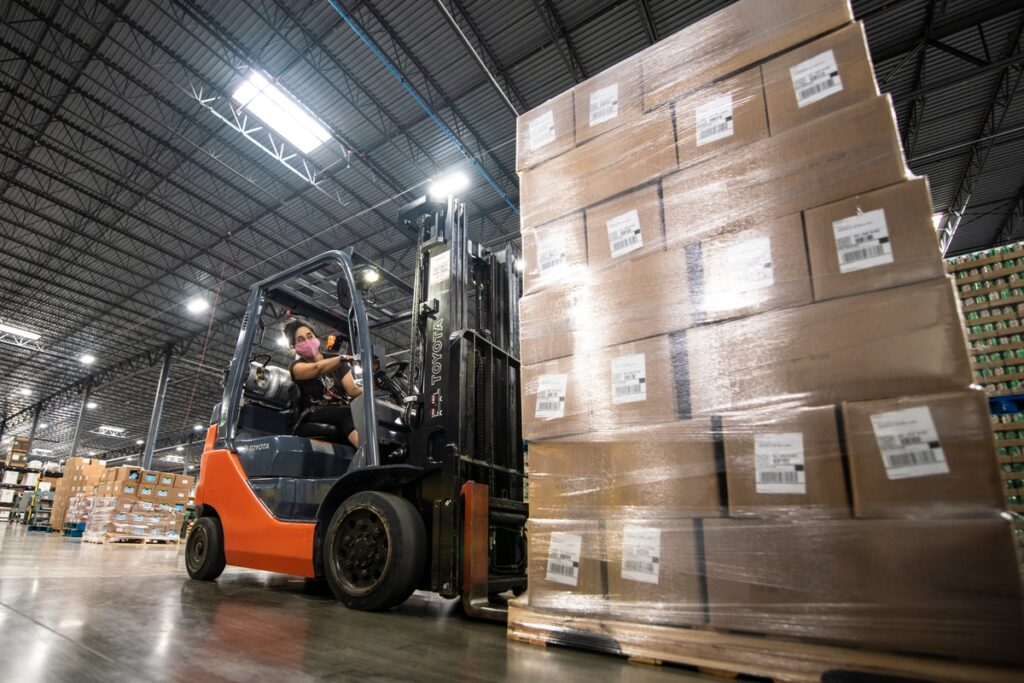
The talent gap has long been a concern in the logistics and supply chain sector. From hourly warehouse workers and skilled labor to the supply chain executive level, there’s a very real talent gap nationwide.
Logistics jobs are among the fast-growing sectors and, according to the Bureau of Labor Statistics, the industry has high turnover rates of 30% to 40% annually. Openings for jobs such as warehouse associates, material handlers and forklift drivers run into the hundreds of thousands annually, and qualified candidates often juggle multiple offers, pushing companies to compete on pay, schedules and work environment.
For employers such as 3PLs, manufacturers and distributors, these conditions translate into tight hiring windows during seasonal peaks and network shifts that require faster decision cycles, streamlined onboarding processes, and better forecasting of labor needs. But elevated turnover and training churn can directly impact safety, quality and productivity. New hires also need time to become proficient with equipment and inventory systems. The learning curve can increase error rates and incident risk.
Even as overall logistics employment grows nationally, employers are experiencing renewed competition for hourly warehouse and light industrial workers, especially in markets aligned with regionalized distribution and nearshoring trends.
Midwest logistics hiring climate is strained
Rising labor costs have complicated landed cost models (and related in-warehouse metrics such as cost-per-case)—and especially in the Midwest, the network optimization assumptions that were built on lower legacy wage levels. The Midwest is currently the only U.S. region forecast to see slower economic growth in 2026, due in part to its higher exposure to agriculture and manufacturing, according to a Visa Business and Economic Insights report and U.S. Department of Labor data.
A combination of an aging Midwest workforce (with many skilled tradespeople and experienced warehouse operators nearing retirement) and tighter immigration policies has shrunk the traditional labor pool for manufacturers and warehouses in states like Illinois, Minnesota and Wisconsin.
Warehouse labor management is changing
Additional factors that are reshaping warehouse labor market include burnout among supervisors and frontline leaders. There’s also greater pressure on service levels. In short, myriad forces are increasing the urgency to better optimize labor resources to maximize productivity, calling for real-time visibility tools and proactive labor orchestration, not reactive staffing decisions. Managers want the capability to answer questions such as “Are we getting consistent, predictable output from the labor we have?”
To get there, labor management optimization needs to focus on metrics such as cases per hour, units per labor hour (driven by increased reliance on “eaches” picking, and DTC fulfillment). These productivity gains must be made while driving high accuracy rates and reducing rework, all while ensuring safety and reducing fatigue.
3PLs and warehouse providers are layering different kinds of tools to manage labor with greater real-time control. These include advanced WMS with embedded labor modules for task management and dynamic work allocation; dedicated labor management systems (LMS); and real-time analytics and dashboards that expose pick rates, accuracy, SLA adherence, among other activity for proactive reallocation of staff.
Skills gap in tech-enabled logistics roles
As warehouses, factories, and distribution centers adopt automation like robotics, advanced WMS and other platforms, and data analytics, demand is shifting away from purely manual roles toward technicians, planners and analysts who can manage and optimize tech-enabled operations. Many frontline workers and even mid-career supervisors lack the digital literacy, systems knowledge and continuous improvement skills required for these hybrid jobs, creating a structural mismatch between open roles and available talent.
For shippers and manufacturers, this shows up as difficulty hiring planners, industrial engineers, maintenance techs, and supervisors who can work across IT and operational technology, such as conveyor systems, WMS dashboards and basic data analysis. Long ramp‑up times and heavy training loads can occur whenever new automation or software is implemented, slowing ROI on capital projects and change initiatives. There’s also a greater dependency on a small set of “super users” and vendor field engineers, which creates operational risk and higher support costs when systems fail during peak seasons.
As we reported on the in the 2026 3PL Study highlights, one big driver of the widening talent gap in logistics is the lack of investment in younger professionals and the retirement of seasoned experts—factors which have directly impacted service level agreements. This shortage has become a significant barrier to digital transformation: nearly one-third of 3PLs polled in the annual 3PL study cited inadequate talent as a primary obstacle to investing in new technology.
At the professional level, many organizations struggle to hire and retain supply chain managers, network planners, and analysts who can integrate operations, technology and strategy. Post-pandemic volatility, the growth of e-commerce and reshoring have increased the complexity of network design, sales and operations planning, and risk managements for the limited pool of leaders possessing both the quantitative skills and hands-on logistics experience. The fallout? Under resourced planning from under-utilized tools, slower adaption to new business models and increased vulnerability to disruptions.
To bridge all these gaps, the industry must prioritize transparency, continuous learning and the cultivation of adaptable leaders through employee development and talent strategies who can navigate increasingly complex, tech-driven environments. It can be done.